Nobody thinks about the cybersecurity of the milk aisle until the refrigerators stop refrigerating.
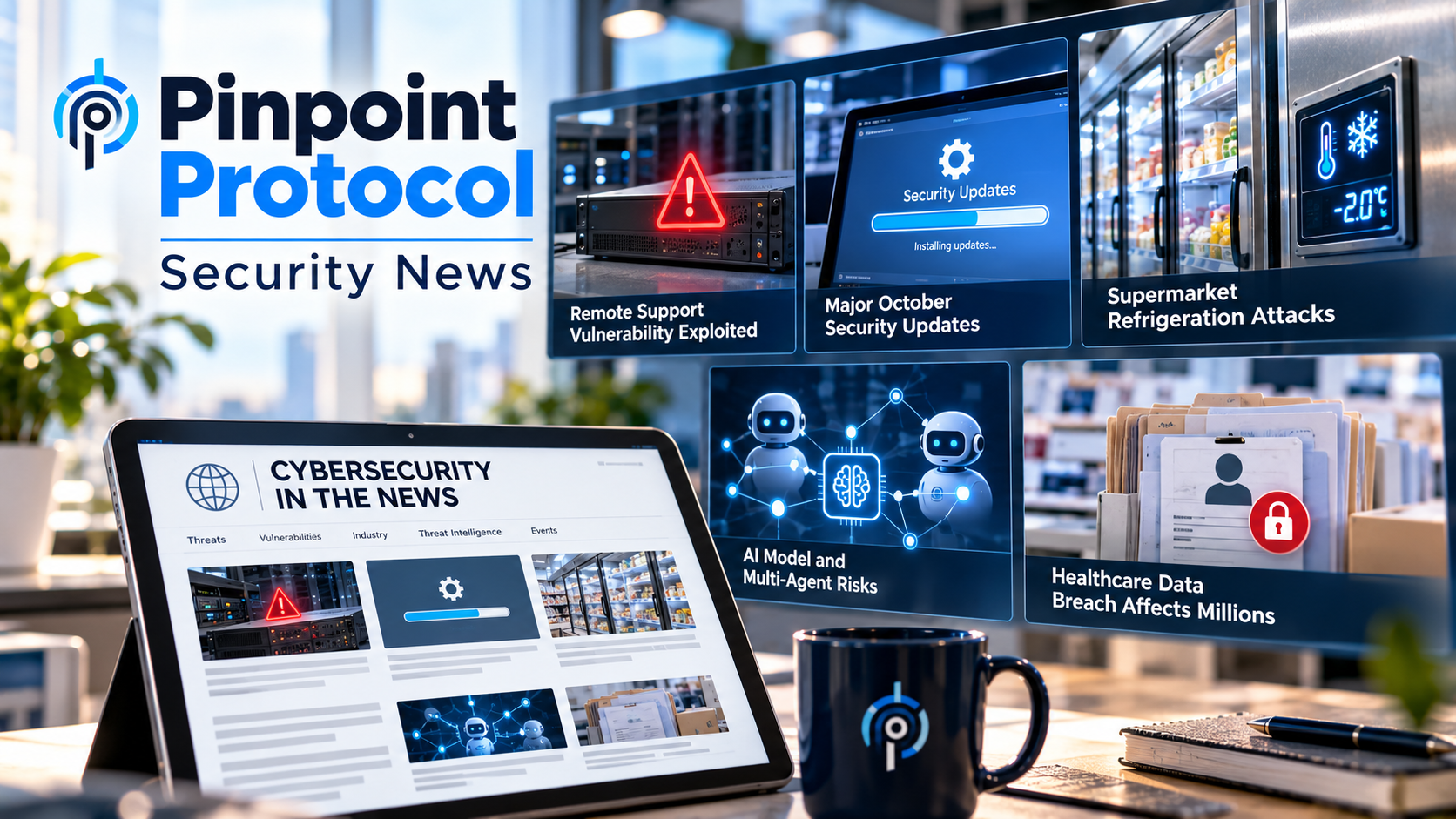
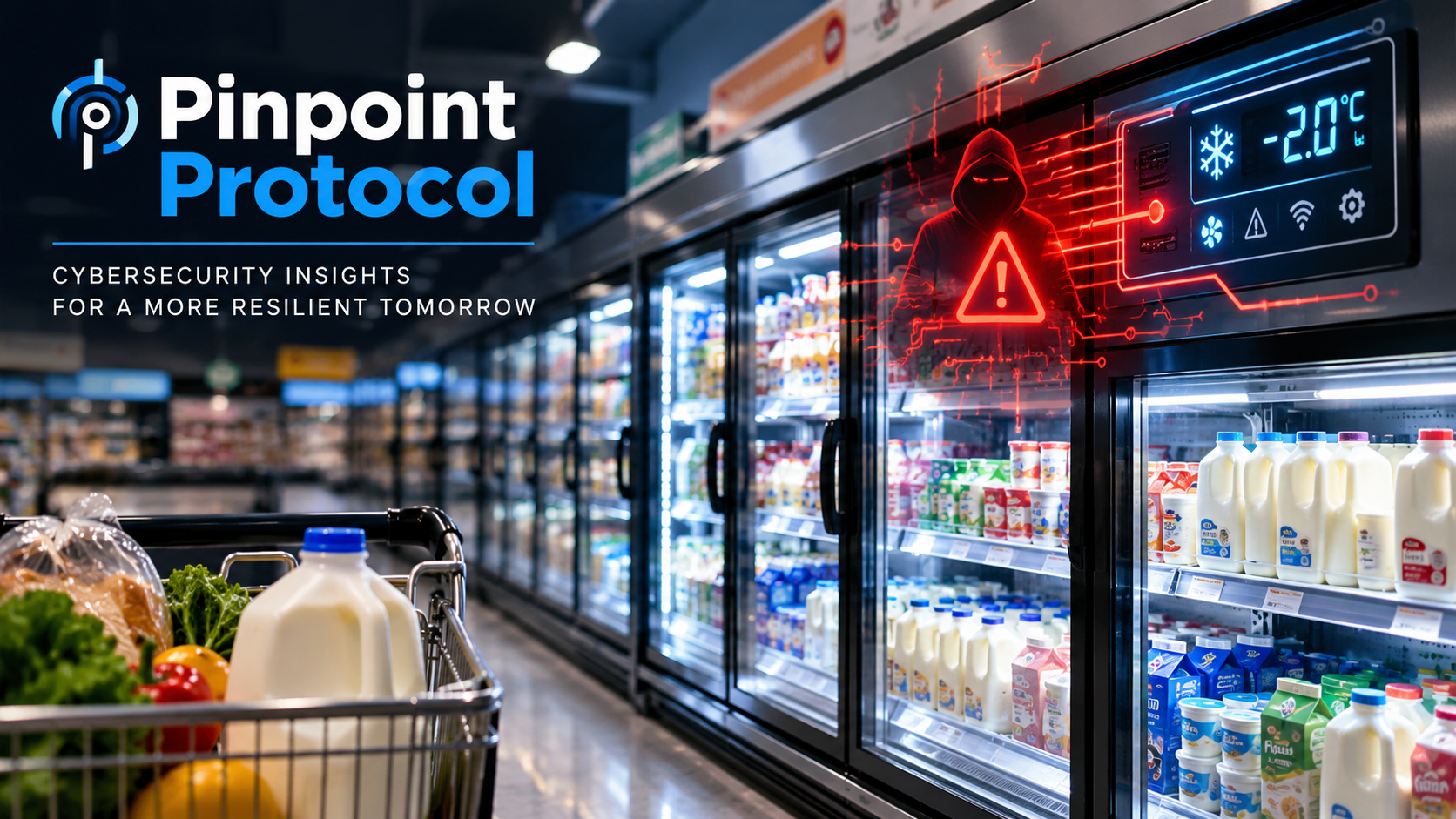
Yet that’s essentially what happened recently when attackers targeted connected refrigeration controllers used by major supermarket chains in France. By manipulating the systems responsible for temperature control, the attackers were able to disrupt refrigeration operations and reportedly cause significant food inventory losses. It’s an unusual cybersecurity story, but I think that’s exactly what makes it interesting.
When we talk about connected technology, we usually talk about what the connectivity gives us. Remote monitoring lets us identify problems without sending someone onsite. Centralized management makes it possible to operate equipment across multiple locations. Automation improves efficiency. Data helps us understand how systems are performing and potentially predict when something is about to fail. Those are all good reasons to connect things, but connecting something also changes what it is.
A refrigeration controller used to be a piece of equipment that kept food cold. Connect it to a network and it’s still doing that job, but now it’s also a computer with software, credentials, network access and dependencies on other systems. It has become part of the organization’s technology environment whether anyone thinks of it that way or not, and that changes the failure modes.
If somebody compromises a traditional business application, the consequences usually stay in the digital world. Data may be exposed. Accounts may be compromised. A service might become unavailable. If somebody compromises the system controlling the temperature of a freezer, eventually the ice cream melts.
That may sound obvious, but I think it highlights something engineers need to consider more often as the line between digital and physical systems continues to disappear.
We spend a lot of time asking whether a system is secure. There’s another question that can be just as important.
What happens when it isn’t? And that question changes how you design things.
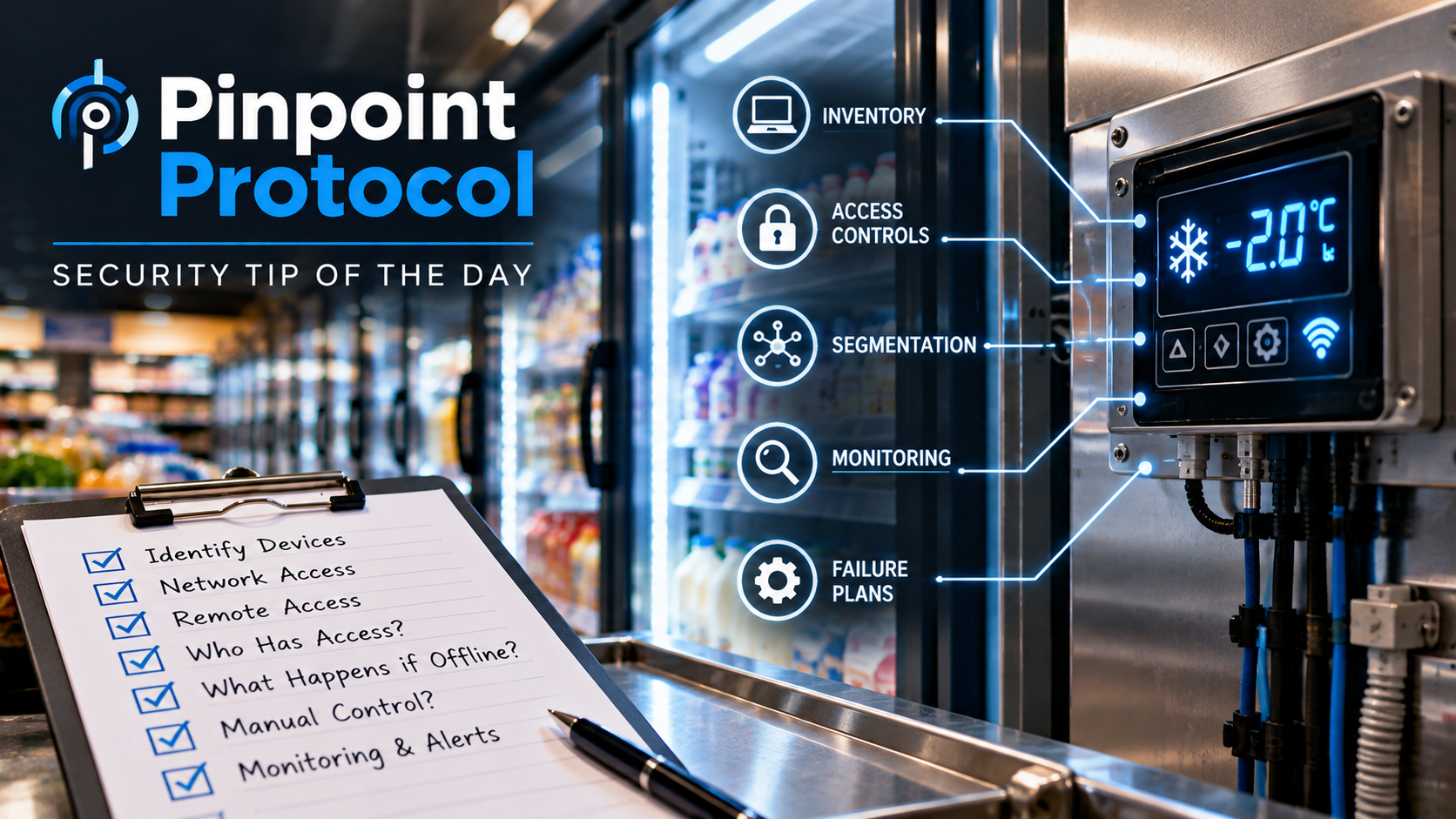
If a refrigeration controller starts receiving unexpected commands, can those commands affect every location or just one? If remote access is compromised, can someone locally regain control? If the network disappears completely, does the refrigeration equipment continue operating or does it depend on something upstream? Is there a manual fallback? Does the equipment fail safely? And would anyone notice abnormal behavior before the temperature inside the freezer starts climbing?
Those aren’t exclusively cybersecurity questions. They’re engineering questions.
Security practices still matter. You need to know which devices are connected in the first place. Network segmentation can limit how far an attacker can move and what a compromised device can reach. Remote access needs strong authentication. Monitoring should identify behavior that doesn’t make sense for the equipment. Software and firmware still need to be maintained.
But none of those controls eliminates the possibility of failure. Good engineering assumes that something eventually will.
That principle becomes increasingly important because refrigeration controllers are hardly unique. We’re connecting HVAC systems, building access controls, elevators, manufacturing equipment, medical devices, generators, warehouse systems and countless other pieces of equipment that directly affect the physical environment around us.
In each case, connectivity creates real value. It also creates a path between the digital system and whatever physical process that system controls.
That means cyber resilience and physical resilience are becoming harder to separate.
I don’t think the answer is to stop connecting things. That would throw away too much capability and, in many cases, actually make systems harder to operate and maintain. The better approach is to design connectivity with failure in mind.
Engineers already do this in plenty of other contexts. We build redundancy because components fail. We use backups because storage fails. We add circuit breakers because electrical systems fail. We create recovery procedures because complex systems eventually behave in ways we didn’t predict.
A cyberattack is another failure condition worth designing around.
The interesting part is that the best response may not always be another Security product. Sometimes it’s a network boundary. Sometimes it’s an independent safety mechanism. Sometimes it’s making sure the physical equipment keeps doing its primary job even when everything connected to it is unavailable. And sometimes it’s a person standing in front of the equipment with a way to take control locally.
The technology around us is going to keep getting smarter and more connected. That’s generally a good thing. But as engineers, we should understand that connecting a physical system to a network doesn’t just give the network access to the device.
It gives the network access to whatever that device controls, and that’s worth remembering the next time something gets called “just a thermostat.”
And if nothing else, this week’s story gives us a fresh reason to think about it. 
Have a great week everyone!
Chris Ogles
COO
Pinpoint Security
COO
Pinpoint Security